Scientific selection
in the age of AI

An evidence-based framework for structured selection, psychometrics, and AI-assisted assessment.

Why Selection Often Fails

Fails because of

INTUITION

Decisions driven by subjective impressions rather than systematic evidence.
Fails because of

TRADITION

Methods selected by habit rather than predictive validity or role-specific requirements.
Fails because of

FRAGMENTATION

Assessment activities managed separately rather than as an integrated system.
The challenge is not collecting more information. The challenge is collecting the right information.

The Science of Selection

Scientific selection is built on a small number of well-established principles that consistently improve hiring decisions.

JOB PERFORMANCE CAN BE PREDICTED

The goal of selection is prediction. Scientific research shows that some methods are better than others at predicting future performance.

DIFFERENT ROLE, DIFFERENT PREDICTORS

Effective selection starts with the role. The characteristics that predict success depend on the specific requirements of each position.

EVIDENCE BEATS INTUITION

Better decisions require better evidence. Structured assessments consistently outperform intuition and unstructured judgments.

AI ENHANCES HUMAN JUDGMENT

Why AI? Artificial intelligence can accelerate analysis and design, while hiring decisions remain human responsibilities.

The Five Principles of VALID

V

VALID

MEASURES WHAT
PREDICTS JOB
PERFORMANCE
Methods should be selected because they predict future job performance rather than relying on familiarity or convention.
READ MORE
A

ACCURATE

PRODUCES
RELIABLE AND
CONSISTENT DATA
Assessment data should remain consistent across evaluators, situations and time.
READ MORE
L

LOGICAL

TRANSFORMS
EVIDENCE INTO
DECISIONS
Selection data becomes valuable when it can be integrated into a coherent decision framework.
READ MORE
I

INVESTMENT

CREATES
MEASURABLE
ECONOMIC VALUE
Selection should be treated as an investment whose impact can be estimated and improved.
READ MORE
D

DIFFERENTIATING

DISTINGUISHES
MEANINGFUL
DIFFERENCES
A useful assessment process identifies characteristics that truly separate candidates.
READ MORE

The Occupational Intelligence Network

VALID connects scientific knowledge, occupational psychology, assessment methods, statistical evidence, and artificial intelligence into a coherent evidence-based framework.
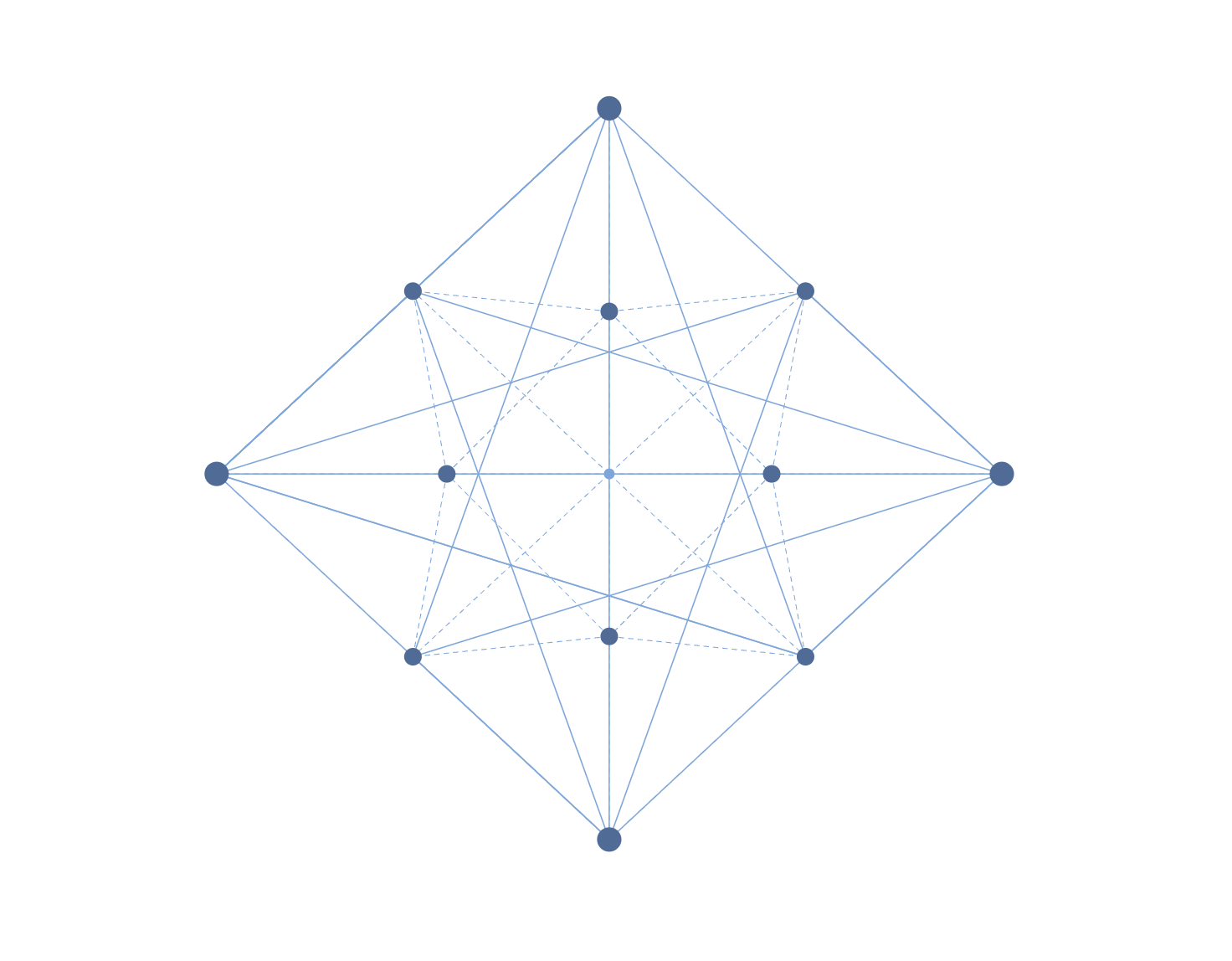
Research evidence, occupational databases and validated psychological constructs provide the scientific foundation of the system.
Job requirements, work behavior, and performance are interpreted through an organizational psychology lens.
The role is translated into Work-Related Characteristics: the knowledge, skills, abilities, motives, and traits required to perform well.
Scores, norms, reliability, validity, and social desirability controls help transform assessment data into interpretable evidence.
Candidate information is integrated through explicit decision rules, reducing bias and supporting clear, comparable choices.
Success is defined in terms of expected performance outcomes, such as task performance, adaptability, and organizational citizenship behavior.
AI supports semantic matching, scale selection and interview generation, while final decisions remain human and methodologically controlled.
Tests, structured interviews, work samples, and other tools are selected only when they are relevant to the role and predictive of performance.

VALID™ Framework and Platform by HURACT.
magic-wandbookshirtheart-pulsechart-barsdiamondhistoryunlink linkedin facebook pinterest youtube rss twitter instagram facebook-blank rss-blank linkedin-blank pinterest youtube twitter instagram